
Dollar-Cost Averaging in Crypto: A Practical Plan
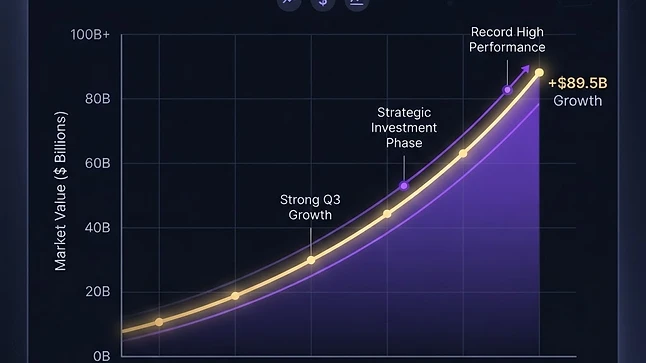
Master dollar-cost averaging in crypto with this practical guide from Fino. Learn how to mitigate volatility and build long-term wealth through simple steps.
Introduction to Dollar-Cost Averaging in Crypto
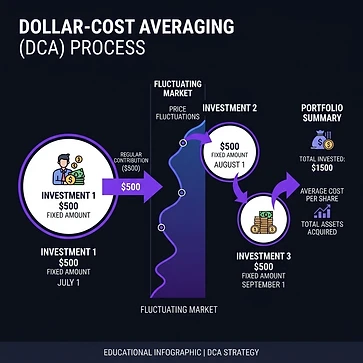
Navigating the volatile landscape of the cryptocurrency market requires more than just luck; it requires a disciplined strategy. Dollar-Cost Averaging in Crypto (DCA) has emerged as one of the most effective methods for long-term investors to manage risk while building a substantial portfolio. By investing a fixed amount of money at regular intervals, regardless of the price, you effectively smooth out your entry price over time.
The Mechanics of Dollar-Cost Averaging
At its core, DCA is a strategy designed to remove emotional decision-making from trading. Crypto markets are known for their extreme highs and lows, often referred to as 'pump and dump' cycles. When you commit to a schedule, you eliminate the temptation to 'time the market,' which is notoriously difficult even for seasoned professionals. By purchasing when prices are low, you acquire more assets, and when prices are high, you acquire fewer, ultimately lowering your average cost per unit.
Why DCA Works for Crypto Investors
Cryptocurrencies like Bitcoin and Ethereum remain highly volatile. Many investors enter the market at an all-time high, only to panic when a correction occurs. DCA transforms this fear into a systematic process. It forces you to maintain consistency even during 'bear markets' when prices are discounted.

A Simple Worked Example
Imagine you decide to invest $500 into Bitcoin on the first of every month for three months.
- Month 1: Bitcoin is $50,000. You purchase 0.01 BTC.
- Month 2: Bitcoin drops to $25,000. You purchase 0.02 BTC.
- Month 3: Bitcoin recovers to $40,000. You purchase 0.0125 BTC.
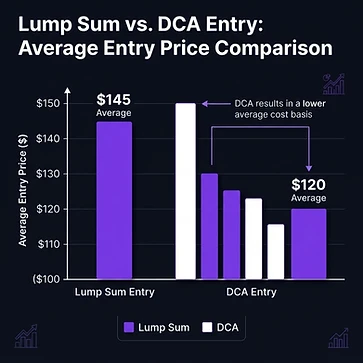
Total Investment: $1,500. Total BTC acquired: 0.0425 BTC. Your average cost per Bitcoin is $35,294, significantly lower than if you had entered only at the initial $50,000 price.
Building Your Personal DCA Plan
Creating a strategy is simple, but sticking to it requires a plan. Follow these steps to build your Fino-approved investment roadmap:
- Define your budget: Only invest what you can afford to lose.
- Choose your frequency: Weekly, bi-weekly, or monthly.
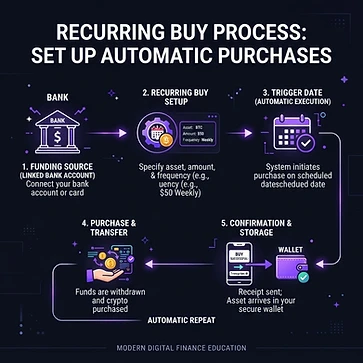
- Automate: Use exchange features or banking apps to set up recurring buys.
- Select your assets: Focus on high-market-cap assets to start.

The Psychological Benefits of DCA
Investing is as much about mindset as it is about mathematics. One of the biggest challenges in crypto is 'FOMO' (Fear Of Missing Out). When you follow a DCA plan, you don't care if the price jumps 10% today because you know your next buy is already scheduled. This reduces anxiety significantly.
Key Takeaways
- Dollar-Cost Averaging minimizes the impact of market volatility.
- It removes emotional bias and the temptation to time the market.
- Automation is the best way to ensure long-term consistency.
- DCA is best suited for long-term holders rather than day traders.

FAQ
Is DCA better than lump-sum investing?
While lump-sum investing can be more profitable in a consistently rising market, DCA is statistically safer for the volatile crypto market, especially for beginners.
Can I stop my DCA plan if the market crashes?
While you can, the purpose of DCA is to 'buy the dip.' Stopping during a crash negates the long-term benefit of lowering your average cost.
What crypto assets are best for DCA?
Most experts suggest sticking to assets with high liquidity and utility, such as Bitcoin and Ethereum, due to their historical track record.
Comments (0)
Be the first to comment.