
Crypto Bridges Explained: Moving Assets Cross-Chain Safely

Learn how crypto bridges work, why they are essential for multi-chain interoperability, and the best practices for moving your assets cross-chain safely today.
Understanding Blockchain Interoperability
The blockchain ecosystem is currently fragmented into hundreds of independent networks like Ethereum, Solana, and Avalanche. Each network operates as a silo, unable to talk to its neighbor natively. Crypto bridges act as the connective tissue, allowing users to move assets cross-chain safely and participate in different ecosystems. Without these bridges, the decentralized finance (DeFi) world would remain isolated, limiting liquidity and utility for global users.
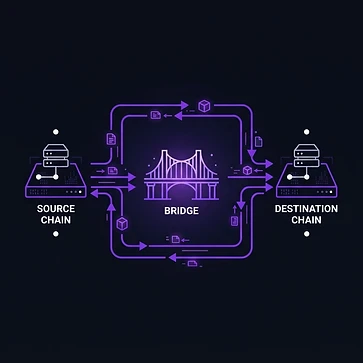
How Do Crypto Bridges Actually Work?
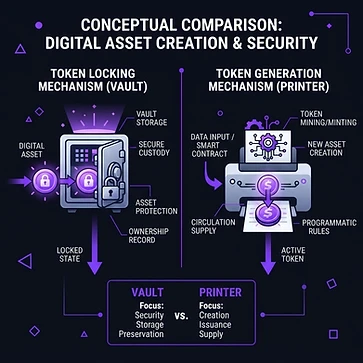
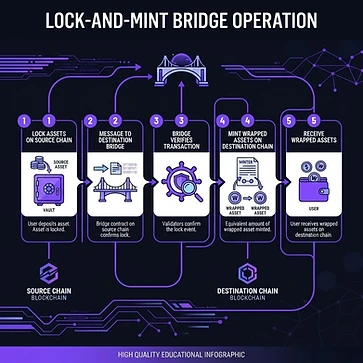
At their core, bridges don't physically move your coins across chains; they use a 'lock and mint' or 'burn and mint' mechanism. When you send assets to a bridge, your original tokens are locked in a secure smart contract on the source chain. In exchange, the bridge mints an equivalent amount of wrapped tokens on the destination chain.
The Mechanisms of Transfer
- Lock and Mint: Assets are locked on the source chain, and a claim is minted on the destination.
- Burn and Mint: Assets are burned on the source chain to ensure total supply remains consistent across chains.
- Liquidity Pools: Bridges maintain reserves of native tokens on both chains to facilitate instant swaps.
Why We Need Cross-Chain Bridges
Bridges are the engines behind modern interoperability. They allow developers to build cross-chain dApps and users to seek higher yields or lower fees elsewhere. By facilitating asset movement, bridges effectively prevent capital from being trapped on a single ledger, fostering a more efficient and liquid market environment for everyone.

A Worked Example: Bridging ETH to Arbitrum
Imagine you want to move 1 ETH from Ethereum mainnet to the Arbitrum Layer 2 network to save on gas fees:
- You connect your wallet to an official bridge interface.
- You deposit 1 ETH into the bridge's vault.
- The smart contract validates the transaction.
- Once verified, the bridge mints 1 Arbitrum-native ETH (or releases it from a pool) into your wallet on the destination chain.
- You now have the same value available on a cheaper, faster network.
Risks and Security Considerations
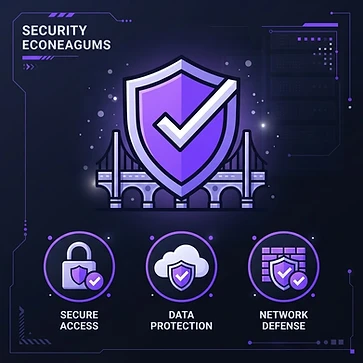
Bridge security is a hot topic. Because they hold massive amounts of liquidity in smart contracts, they are high-value targets for hackers. Always check audits and developer activity before trusting a bridge with your life savings.

Best Practices for Moving Assets Safely
- Use Audited Bridges: Only interact with protocols that have undergone rigorous external security audits.
- Limit Volumes: Move smaller amounts first to test the liquidity and speed of the bridge.
- Check Official Links: Always double-check bridge URLs to avoid phishing scams masquerading as legitimate interfaces.
Key Takeaways
- Crypto bridges are essential for connecting disparate blockchain networks.
- Most bridges function through lock-and-mint or liquidity pool mechanisms.
- Security risk is the primary concern when bridging; always verify protocols.
- Bridges enable lower fees and access to broader DeFi opportunities.

FAQ
Are crypto bridges safe to use?
They are as safe as the underlying smart contract code and the bridge's decentralized governance structure. Always perform due diligence before depositing funds.
Can I bridge any token?
Not necessarily. Bridges only support tokens that have liquidity pools or minting support for the specific chains involved.
What happens if a bridge gets hacked?
If the smart contract vault is drained, the 'wrapped' tokens in your wallet may lose their backing, potentially causing them to drop to zero value.
Comments (0)
Be the first to comment.