
How to Set Up a Secure Crypto Wallet
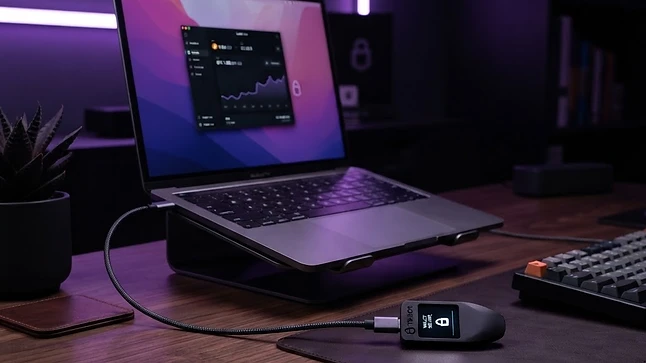
A step-by-step guide to choosing, setting up, and securing your cryptocurrency wallet to protect your digital assets.
A cryptocurrency wallet is your gateway to the world of digital assets. Unlike a traditional wallet that holds physical cash, a crypto wallet stores the cryptographic keys that prove ownership of your digital coins. Choosing and securing the right wallet is the most important decision you'll make as a crypto investor.
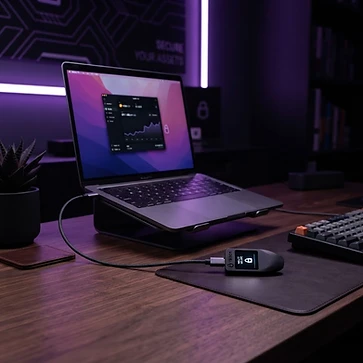
Types of Crypto Wallets
Hot Wallets (Software)
Hot wallets are connected to the internet and come as mobile apps, desktop applications, or browser extensions. They're convenient for frequent transactions but more vulnerable to hacking.
Cold Wallets (Hardware)
Cold wallets are physical devices that store your keys offline. They provide the highest level of security and are recommended for storing significant amounts of cryptocurrency.
Paper Wallets
A paper wallet is simply a physical document containing your public and private keys. While offline and secure from hackers, they can be lost, damaged, or stolen.
Setting Up Your Wallet: A Security Checklist
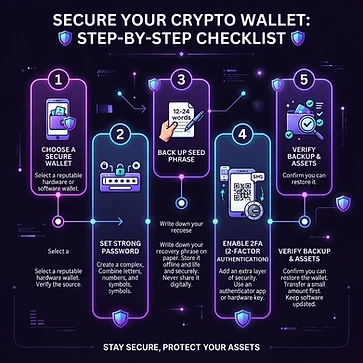

Follow these essential steps to secure your wallet:
- Write down your seed phrase — the 12 or 24 words that recover your wallet. Store them offline, never digitally
- Enable two-factor authentication (2FA) on all exchange accounts
- Use a strong, unique password — at least 16 characters with mixed characters
- Never share your private keys — no legitimate service will ever ask for them
- Verify all transaction addresses — malware can replace addresses in your clipboard
- Keep your software updated — wallet updates often patch security vulnerabilities
The Golden Rule
Not your keys, not your coins. If you leave your cryptocurrency on an exchange, you don't truly own it — the exchange holds the keys. For long-term holdings, transfer your assets to a wallet you control.
By following this guide, you'll have a secure foundation for your crypto journey. Remember: security is not a one-time setup but an ongoing practice.
Comments (0)
Be the first to comment.