
NFT Market Analysis: Trends and Insights
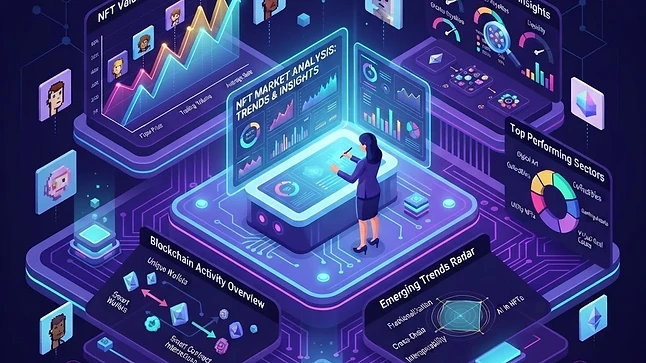
The NFT market has evolved far beyond headline-grabbing profile pictures. This post explains how the market has changed, which trends matter most now, and how beginners can evaluate NFTs more carefully.
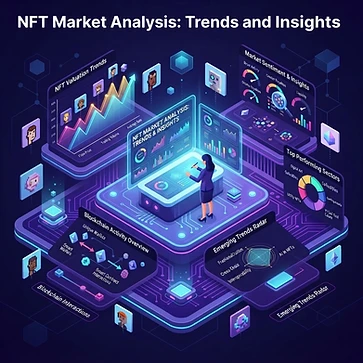
NFTs are more than collectibles
NFTs, or non-fungible tokens, are blockchain-based assets that represent unique ownership. While early attention focused on digital art and profile picture collections, the market has expanded into many other areas.
Today, NFTs can be used for:
- digital art
- gaming assets
- event tickets
- memberships and loyalty programs
- music and creator monetization
- identity and credentials
How the NFT market has changed
The biggest shift has been from pure speculation toward utility and community value. During peak hype, many buyers focused mainly on quick resale potential. Over time, the market has become more selective.
Recent NFT trends have often included:
- stronger interest in collections with real utility
- growth in gaming-related NFTs
- creator tools and brand experiments
- lower overall hype, but more focused user bases
- competition between different blockchain ecosystems
Metrics that matter more than floor price
Beginners often look only at floor price, which is the cheapest listed NFT in a collection. That can be helpful, but it is not enough.
You should also watch:
- trading volume
- number of unique buyers and sellers
- wallet retention over time
- royalty structure
- community activity
- roadmap delivery
A project with temporary price spikes but weak user engagement may not have lasting value.
Why chain choice matters
NFT activity is no longer limited to one network. Different chains may offer different strengths:
- lower fees
- faster transactions
- stronger gaming ecosystems
- better marketplace support
This matters because adoption often follows user experience.
Common beginner mistakes
- buying based only on social media hype
- ignoring creator reputation
- forgetting marketplace and royalty fees
- assuming rarity guarantees value
- confusing short-term momentum with long-term demand
A practical way to evaluate an NFT project
Ask these questions before buying:
- What does ownership actually give me?
- Is there a real audience for this asset?
- Is the team building consistently?
- Are secondary market sales healthy?
- Would I still want this if resale demand disappears?
The beginner takeaway
The NFT market is still experimental, but it is becoming more practical. The strongest projects tend to combine culture, utility, and committed communities.
For beginners, the best approach is to treat NFTs as digital products with demand fundamentals, not just lottery tickets. If you understand what drives ongoing interest, you will analyze the market much more effectively.
Comments (0)
Be the first to comment.